Home › Destinations › Cornwall
Cornwall
Cornwall is the long peninsula at the south-western tip of Britain, almost surrounded by sea, with more than 300 miles of coast path running around its edge. It is not one destination but several. The north coast faces the Atlantic, with big sandy beaches, surf and slate cliffs. The south coast is gentler, with estuaries, fishing villages and subtropical gardens. The far west, beyond Penzance, has granite moors, ancient sites and Land's End. Inland are Bodmin Moor, the old mining country and the china clay hills around St Austell.
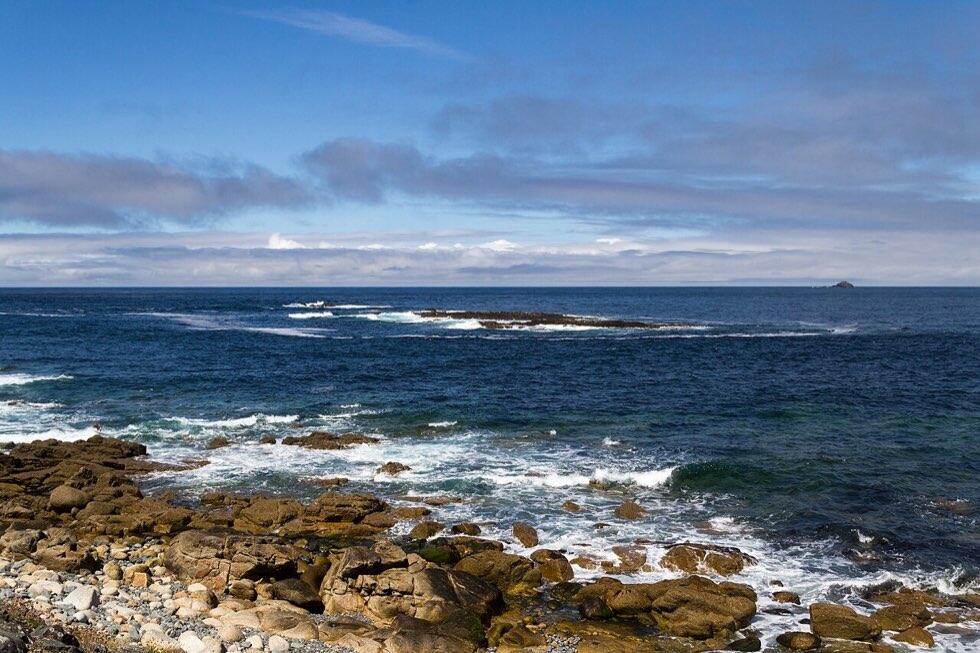

It is also further than people think. Truro is about four hours' drive from London on a clear day; Penzance is five hours by fast train. Because the county is long and the roads are slow in summer, a Cornish holiday works best if you choose an area, stay there for the week, and treat the other coast as a day trip.
Getting there
By train, the main line runs from London Paddington through Plymouth, over the Tamar on Brunel's Royal Albert Bridge, and on via Bodmin Parkway, Par, St Austell and Truro to Penzance. The overnight Night Riviera sleeper train runs between Paddington and Penzance most nights of the week. Branch lines from the main line reach Looe, Newquay, Falmouth and St Ives, as well as Gunnislake on the Tamar. This makes a car-free holiday realistic in many towns, especially on the south coast and in the far west.
By road, the A30 is the spine of the county, running from the Devon border near Launceston past Bodmin to Penzance and Land's End. The A38 crosses the Tamar Bridge from Plymouth. Off these trunk roads, lanes are narrow and often single track. Summer Saturday changeovers bring heavy traffic in both directions. Cornwall Airport Newquay has flights to London and other UK airports.
Choosing an area
North Cornwall, from Bude to Newquay, has wide beaches, surf, dramatic cliffs and harbour villages such as Boscastle, Port Isaac and Padstow. Tintagel has its castle on a headland linked to King Arthur legends. Newquay is the surf and nightlife capital, busy with families by day and young groups by night.
West Cornwall, beyond Hayle, includes St Ives with its galleries and beaches, Penzance and Newlyn, the fishing village of Mousehole, the open-air Minack Theatre on the cliffs at Porthcurno, and Land's End itself. The landscape of the Penwith peninsula, with stone hedges, standing stones and mine engine houses, feels very old.
The Lizard, the most southerly point of mainland Britain, has serpentine cliffs, Kynance Cove, Lizard Point and quiet villages along the Helford River.
The south coast, from Falmouth to Looe, is the gentle side: the Fal estuary and the Roseland peninsula, Mevagissey, Fowey, Polperro and Looe. Many of the great gardens are here, including the Lost Gardens of Heligan, Trebah and Glendurgan, and the Eden Project near St Austell, with its giant biome greenhouses in a former clay pit.
Truro, the county's only city, has a cathedral, shops and the Royal Cornwall Museum. It is central and well connected but not on the sea.

Things not to miss
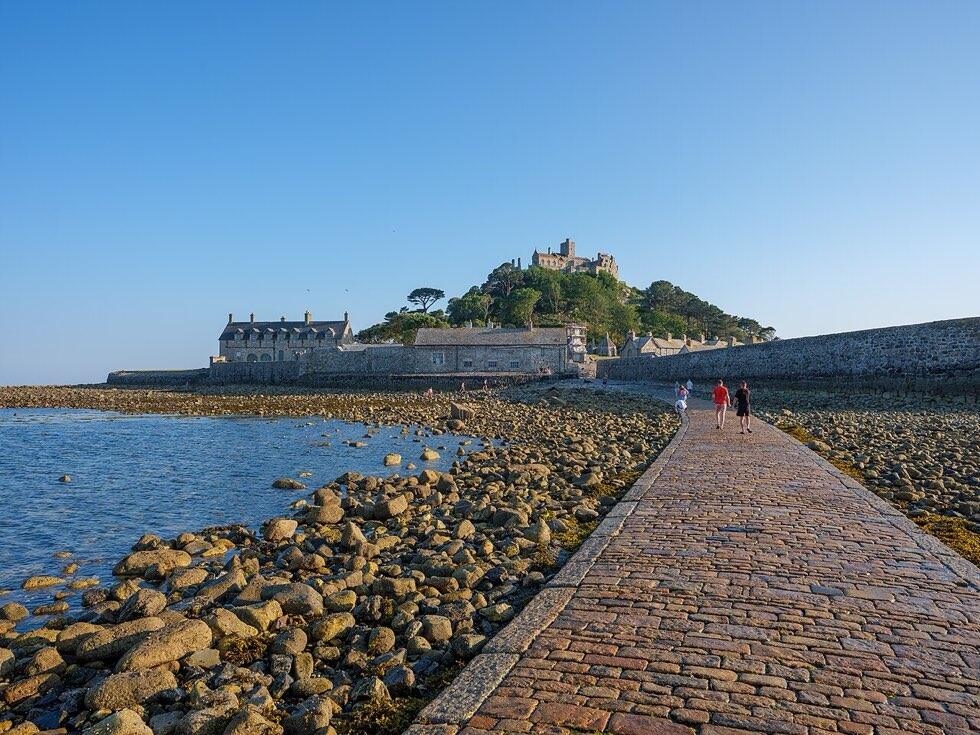
- St Michael's Mount: a tidal island off Marazion with a castle and garden, reached on foot across a causeway at low tide or by boat at high tide.
- The South West Coast Path: choose a section that matches your fitness. The paths around Zennor, Land's End to Porthcurno and Kynance Cove are some of the finest.
- The mining landscape: Cornwall and west Devon's mining heritage is a World Heritage Site. Engine houses at Botallack and Levant cling to the cliffs near St Just.
- The Eden Project and the Lost Gardens of Heligan for a rainy or quiet day.
- The Isles of Scilly, reached from Penzance or Land's End. See the Scilly guide.
Where to stay
Self-catering is the classic Cornish holiday: cottages in fishing villages, converted barns inland, and apartments in the resort towns. Most rent by the week in summer, with Saturday or Friday changeovers, and many allow short breaks outside the school holidays. Holiday parks and campsites cluster behind the north coast beaches. Hotels range from seaside classics in Newquay and Falmouth to small boutique places in St Ives and Fowey. Inns with rooms are common in villages.
Village cottages near harbours can be very small and have no parking at all. Ask before booking, and check the distance from the car park in places such as Port Isaac, Mousehole and Polperro.
When to go
August is the peak, with the highest prices and busiest beaches and roads. June and September are often the best months: long days, warm seas in September and fewer crowds. May and the Easter holidays are popular for walking and gardens. Winter is quiet and atmospheric, with storms on the north coast and good rates, though many cafés and attractions close.
Sample week
Base yourself in the west: one day for St Ives and the Zennor coast path; one for Penzance, Newlyn and Mousehole; one for Land's End, Sennen Cove and the Minack Theatre; one for St Michael's Mount and Marazion; one for the Lizard and Kynance Cove; one for the mining coast around St Just; and a rest day on the beach.
Practical notes
- Swim at lifeguarded beaches, between the red and yellow flags. Atlantic rips are strong.
- Car parks at the most popular beaches fill by mid-morning in summer.
- Many Cornish cafés and pubs stop serving food mid-afternoon; check before you plan a late lunch.
- Cornwall has its own language, Kernewek, which appears on road signs alongside English.
Frequently asked questions
Is it better to stay on the north or south coast of Cornwall?
The north coast has the big sandy beaches and surf, and suits families who want beach days and surfers. The south coast has estuaries, gardens, sheltered coves and fishing villages, and suits walkers, couples and anyone who prefers calmer water. The far west has a bit of both, plus Land's End and the mining heritage. Choose by what you want to do most days.
How long does it take to get to Cornwall?
By fast train from London Paddington, Truro is about four and a half hours away and Penzance around five. By car, allow at least four to five hours from London to mid Cornwall in normal traffic, and much longer on summer Saturdays. Flights from London to Newquay take about an hour. The overnight sleeper to Penzance is an alternative that saves a day.
When is the best time to visit Cornwall?
June and September are often ideal: long days, fewer crowds, lower prices and generally pleasant weather. May is lovely for gardens and wild flowers. August is busiest and most expensive. Winter is quiet and dramatic on the coast, with many attractions closed or open shorter hours.
Can I see Cornwall without a car?
Yes, in the right places. Towns with stations such as St Ives, Falmouth, Penzance, Truro, Looe, Newquay and Fowey (by bus from Par) make good car-free bases, and coastal buses link many villages. The coast path is ideal for linear walks with a bus back. Rural cottages, small coves and inland attractions can be harder to reach.
Guide me to UK is an independent information site. We do not own hotels or take bookings. Fares, opening hours and timetables change, so confirm them before you travel. Last updated 1 November 2026.