Home › Destinations › Edinburgh
Edinburgh
Edinburgh, the capital of Scotland, is one of the most striking cities in Europe to arrive in. The castle sits on an extinct volcano above the main railway station; the medieval Old Town runs down a ridge from the castle to the Palace of Holyroodhouse; and across a valley of gardens, the Georgian New Town is laid out in a planned grid of squares and crescents. Behind it all rises Arthur's Seat, a hill of wild grass and crags inside the city. Together the Old and New Towns are a UNESCO World Heritage Site.
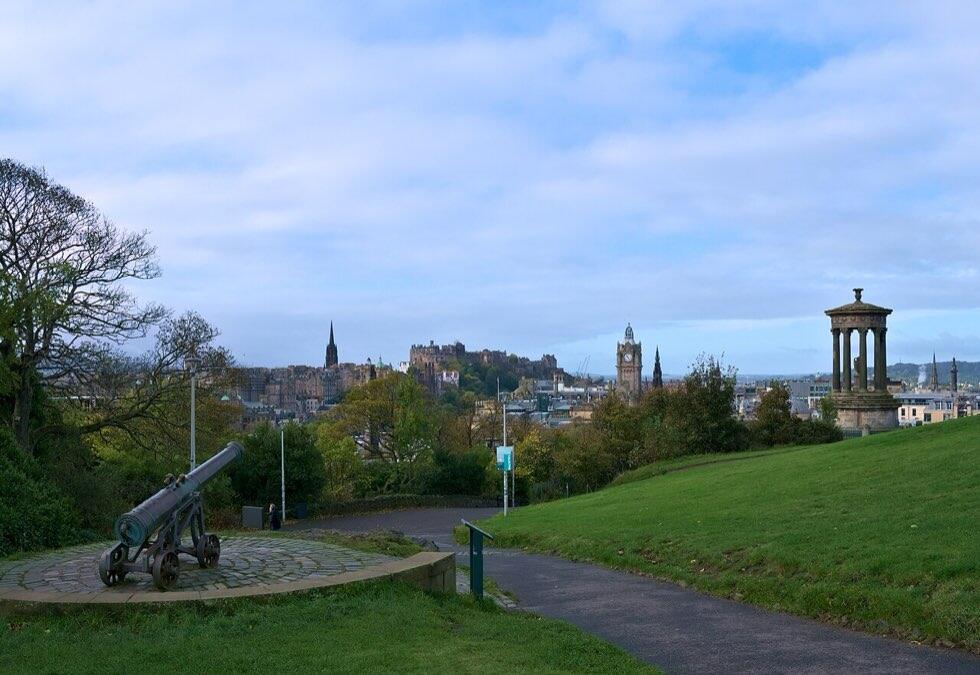

Edinburgh suits a city break of two to four days, festival trips in August, Hogmanay at New Year, and a starting point for a longer trip around Scotland. It is compact and walkable, but hilly, with many steps.
Getting there
By train, Edinburgh Waverley is in the middle of the city, between the Old and New Towns. Trains on the East Coast Main Line from London King's Cross take around four and a half hours, and there are direct services from the north of England, Glasgow and the Highlands. The Caledonian Sleeper runs overnight from London Euston. Haymarket, the second station, is in the West End.
From Edinburgh Airport, about eight miles west, the tram runs to the city centre along Princes Street and on to Leith and Newhaven, taking about half an hour to the centre. The Airlink express bus also runs to Waverley.
By car, Edinburgh is reached via the A1 from the east of England, the M8 from Glasgow and the M9 from Stirling. Driving and parking in the centre are expensive and slow; most visitors are better off leaving the car at the hotel or using a park and ride.
Old Town and New Town
The Old Town is the medieval city: the Royal Mile running from the Castle Esplanade to Holyrood, the closes and wynds that drop steeply off it, the Grassmarket below the castle cliffs, and the Cowgate. It is atmospheric, crowded in summer, and full of pubs, whisky shops and restaurants.
The New Town, built from the 1760s onwards, is a grid of wide streets and elegant terraces: Princes Street, George Street, Queen Street and the squares at either end. It is calmer, better for shopping and dining, and close to the station.
Between them, Princes Street Gardens fill the valley where a loch once lay, with the Scott Monument at the east end and views up to the castle.

What to see
- Edinburgh Castle: home to the Honours of Scotland, the Stone of Destiny and St Margaret's Chapel, the oldest building in the city. The One O'Clock Gun is fired from the castle every day except Sunday. Book a timed ticket.
- The Royal Mile: St Giles' Cathedral, the Real Mary King's Close underground tour, and the closes that lead off the street.
- The Palace of Holyroodhouse: the King's official residence in Scotland, with Holyrood Abbey ruins and the Scottish Parliament opposite.
- Arthur's Seat: about an hour's walk to the top from Holyrood, with views over the city and the Firth of Forth. Salisbury Crags are an easier walk.
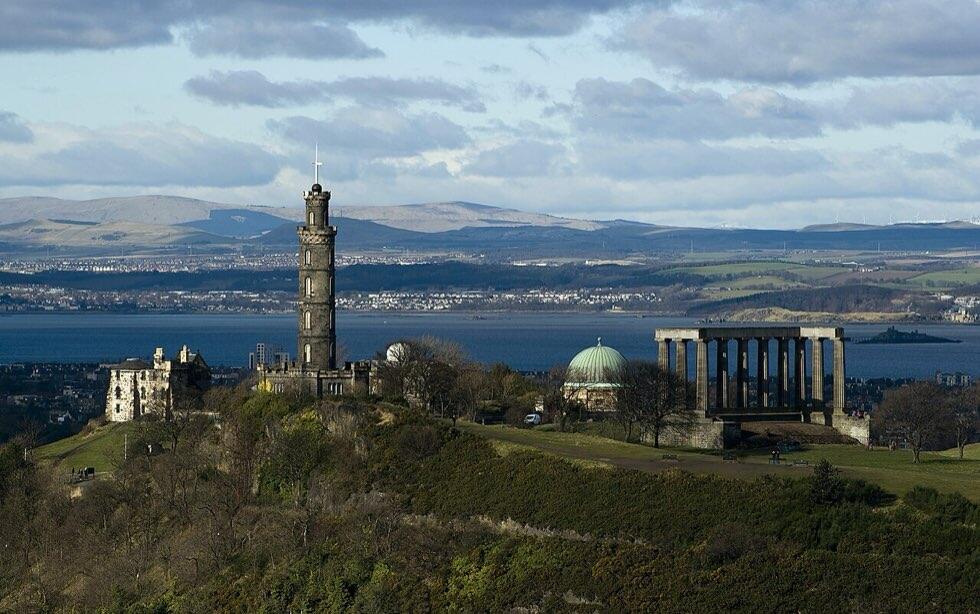
- Calton Hill: an easier climb from the east end of Princes Street, with monuments and views along Princes Street, especially at sunset.
- National Museum of Scotland: a free, enormous museum of Scottish history, science and world cultures, with a roof terrace.
- Scottish National Gallery on the Mound, also free, and the Royal Botanic Garden in Inverleith.
- Dean Village and the Water of Leith: a riverside walkway through a sheltered valley from the West End to Stockbridge.
Where to stay
The Old Town puts you among the sights, with hotels, apartments and hostels around the Royal Mile and the Grassmarket. It is noisy at night, especially in August. The New Town has many hotels and guest houses in Georgian buildings, close to the station and the restaurants of George Street. The West End and Haymarket are practical, with good transport links to the airport. Stockbridge, north of the New Town, is a village-like area with independent shops and cafés. Leith, the port district, has waterfront restaurants and hotels, connected to the centre by tram. Bruntsfield and Marchmont, south of the Meadows, have guest houses in residential streets.
Many guest houses and small hotels in the residential areas are in tall tenements or terraced houses without lifts. Ask if stairs are a concern.
The festivals and Hogmanay
In August, Edinburgh hosts several festivals at once: the Edinburgh International Festival, the Festival Fringe, which is the largest arts festival in the world, the Royal Edinburgh Military Tattoo on the castle esplanade, and the Edinburgh International Book Festival. The city is packed, and accommodation prices rise sharply. Book months ahead and expect minimum stays. Hogmanay, Scotland's New Year celebration, brings street parties, concerts and fireworks over the castle, with tickets needed for the main events.
Edinburgh has introduced a visitor levy on overnight stays, added to accommodation bills. Check what your booking includes.
Day trips
- The Forth Bridges at South Queensferry, where three bridges from three centuries cross the Firth of Forth.
- Stirling, with its castle and the Wallace Monument, under an hour by train.
- Glasgow, an hour by train, with its museums and Victorian architecture.
- North Berwick and the East Lothian coast, for beaches and boat trips to the gannets of the Bass Rock.
- Rosslyn Chapel, with its carved interior, south of the city.
When to go
May, June and September are often the best months, with long days and fewer crowds. August is festival month. Winter is cold, dark early and damp, but the Christmas markets, Hogmanay and cosy pubs make it appealing. Weather changes quickly; bring layers and a waterproof at any time of year.
A three-day plan
Day one: the castle in the morning, then walk down the Royal Mile with stops at St Giles' and a close tour, ending at Holyrood. Day two: climb Arthur's Seat early, then visit the National Museum and walk through the New Town in the afternoon. Day three: walk the Water of Leith from Dean Village to Stockbridge and take the tram to Leith, or take a day trip to Stirling or the Forth Bridges.
Frequently asked questions
How many days do I need in Edinburgh?
Two full days cover the castle, the Royal Mile, Holyrood, Arthur's Seat and a museum or gallery. Three or four days allow time for the New Town, Stockbridge and Dean Village, Leith, and a day trip to Stirling, the Forth Bridges or the East Lothian coast. During the August festivals, many visitors stay a week to see shows.
Is it worth staying in the Old Town?
It is atmospheric and puts the main sights on your doorstep, but it is busy and noisy, especially in August and at weekends. The New Town is calmer, close to the station and well placed for restaurants. Stockbridge and Bruntsfield are quieter still and a short walk or bus ride from the centre.
How do I get from the airport to the city centre?
The tram runs from the airport to the city centre, along Princes Street and on to Leith and Newhaven. The journey to the centre takes about half an hour. The Airlink express bus is an alternative to Waverley station. Taxis are available at the rank outside the terminal.
When should I book for the August festivals?
As early as possible. Accommodation for August is often booked months in advance, with prices much higher than the rest of the year and minimum stays at many properties. Popular shows also sell out. If you are flexible, consider staying outside the city in places such as Linlithgow, North Berwick or Musselburgh, with good transport links.
Guide me to UK is an independent information site. We do not own hotels or take bookings. Fares, opening hours and timetables change, so confirm them before you travel. Last updated 1 November 2026.