Home › Destinations › Falmouth
Falmouth
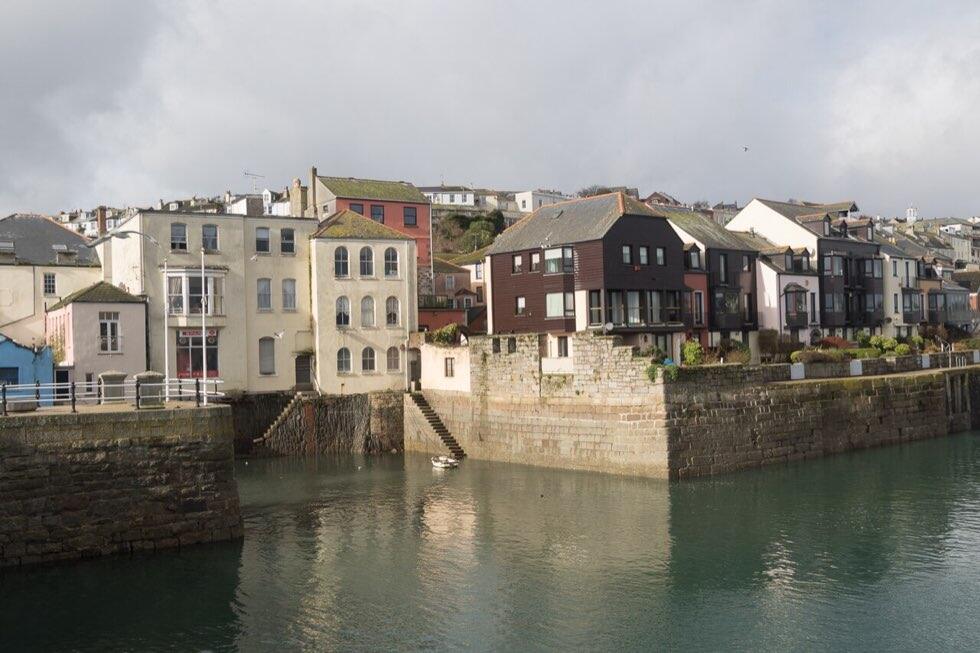
Falmouth is a port town on the south coast of Cornwall, at the mouth of the Fal estuary and the wide natural harbour called Carrick Roads. It has a long maritime history as a packet station for mail ships, a naval anchorage and a shipyard, and it still has working docks. The town is lively, with a university, independent shops, pubs and galleries along a long main street that runs parallel to the waterfront. On the headland above the docks stands Pendennis Castle, and on the other side of the town a string of sandy beaches faces Falmouth Bay.

Falmouth suits a car-free holiday, sailing and watersports, gardens and estuary boat trips. It is also a good base for the Lizard peninsula and the Roseland, and one of the warmest and most sheltered parts of Cornwall.
Getting there
The Maritime Line, a branch from Truro on the main line, runs to Falmouth in about twenty minutes. There are three stations: Penmere for the residential area, Falmouth Town near the beaches and the university's town campus, and Falmouth Docks at the end, near Pendennis Castle and the National Maritime Museum. Direct trains from London Paddington to Truro take about four and a half hours. By car, follow the A39 from Truro. Parking in the centre is limited and there is a park and ride on the edge of town in summer.
The waterfront and the town
The main street runs for about a mile under different names, from Market Street and Church Street to Arwenack Street, with alleys and steps called "opes" leading down to the harbour. Boats leave from the Prince of Wales Pier and Custom House Quay. Events Square, by the museum, has restaurants and the departure point for some boat trips.
The National Maritime Museum Cornwall covers small boats and Cornwall's seafaring history, with a lookout tower over the harbour and a tidal zone where you can look out underwater at low tide.
Pendennis Castle
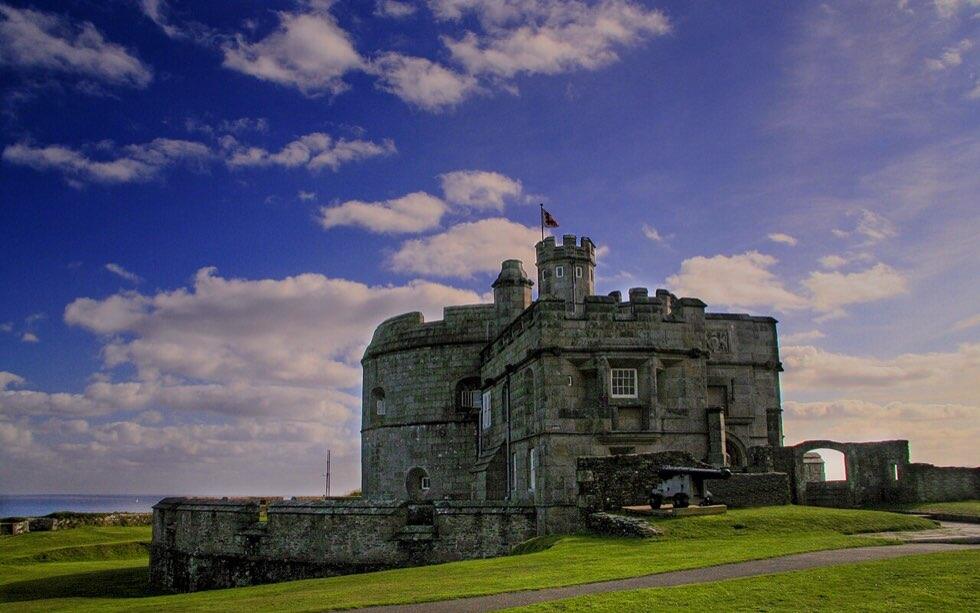
Pendennis Castle was built by Henry VIII in the 1540s to guard the entrance to Carrick Roads, together with St Mawes Castle on the opposite shore. It was strengthened over the centuries and used up to the Second World War. Run by English Heritage, it has a round keep, gun batteries and exhibitions, and fine views across the water. A road loops around Pendennis Point and is a good walk from town.

Beaches
- Castle Beach: rockpools and small sandy coves below Pendennis Point.
- Gyllyngvase: the main town beach, sandy, lifeguarded in summer and with a café.
- Swanpool: a small beach next to a nature reserve lake, with watersports hire.
- Maenporth: a sheltered sandy cove a little further south, reached along the coast path.
Ferries and boat trips
Falmouth is a hub for small ferries across the estuary. The St Mawes ferry runs year round to the pretty village of St Mawes on the Roseland peninsula, with its own castle. The Flushing ferry crosses to the village opposite, with waterside pubs. In season, boats run up the Fal to Truro, depending on the tide, and to the National Trust gardens at Trelissick. From St Mawes, a further ferry goes to Place, for walks around St Anthony Head. Combined ferry tickets are often available.
Gardens
The mild climate around Falmouth and the Helford River supports some of Britain's great subtropical gardens. Trebah and Glendurgan are valley gardens that run down to the Helford, with tree ferns, gunnera and private beaches. Trelissick, on the Fal, has woodland walks with views up and down the river. All three are a short drive or bus ride from town.
Where to stay
Large seaside hotels line the front at Gyllyngvase and the cliff road towards Pendennis, many with sea views. The streets between the beaches and the town centre have guest houses and B&Bs. In the town itself, there are boutique hotels, inns and flats above the shops, some overlooking the harbour. Across the water, St Mawes and Flushing have quieter cottages and small hotels. Self-catering is widely available all over the area.
When to go
Falmouth hosts major sailing events. Falmouth Week, a regatta in August, fills the bay with boats. The International Sea Shanty Festival in June brings choirs to pubs and stages across town. Spring is excellent for the gardens; summer for beaches and boats; autumn for walking. Winter is quiet but the town, being a university town, stays lively.
A three-day plan
Day one: the National Maritime Museum in the morning, a walk round Pendennis Point and the castle in the afternoon, and the beaches at Gyllyngvase. Day two: take the ferry to St Mawes, visit its castle and walk the Roseland coast, returning by boat. Day three: visit Trebah or Glendurgan on the Helford, or take the boat up the river to Truro and the train back.
Practical notes
- River boats to Truro depend on the tide, so timetables change daily. Check before you go.
- The town centre streets are narrow and best on foot.
- For the rest of the county, read the Cornwall guide. For the north coast, see St Ives and Padstow.
Frequently asked questions
Is Falmouth a good base without a car?
One of the best in Cornwall. The Maritime Line connects with the main line at Truro, the town is walkable, the beaches are close, and ferries cross to St Mawes, Flushing and up the river. Buses run to the Helford gardens. A car is useful only for the Lizard peninsula and more remote parts of the Roseland.
Which Falmouth beach is best?
Gyllyngvase is the main town beach, with sand, a café and lifeguards in summer. Swanpool is smaller and good for watersports. Castle Beach has rockpools. Maenporth, a short walk south along the coast path, is sheltered and sandy. All are within walking distance of the town centre.
How long does the ferry to St Mawes take?
The crossing takes about twenty minutes and the ferry runs year round, more often in summer. From St Mawes, you can visit the castle, walk round the Roseland, or take the smaller seasonal ferry to Place for St Anthony Head. Check the timetable for the last return sailing.
When is Falmouth Week?
Falmouth Week is a major sailing regatta held in August, with racing in the bay and the estuary and events in town. The International Sea Shanty Festival is usually in June. Both bring large crowds, and accommodation should be booked early.
Guide me to UK is an independent information site. We do not own hotels or take bookings. Fares, opening hours and timetables change, so confirm them before you travel. Last updated 1 November 2026.