Home › Destinations › Scotland
Scotland
Scotland occupies the northern third of Great Britain, and it is bigger and emptier than first-time visitors expect. Most people live in the Central Belt between Edinburgh and Glasgow. North and west of that lie the Highlands, a vast country of mountains, glens and sea lochs, and beyond them nearly eight hundred islands, around a hundred of them inhabited. To the south, the Borders and Dumfries and Galloway are rolling hill country with abbeys and quiet coasts. Each region can fill a holiday.
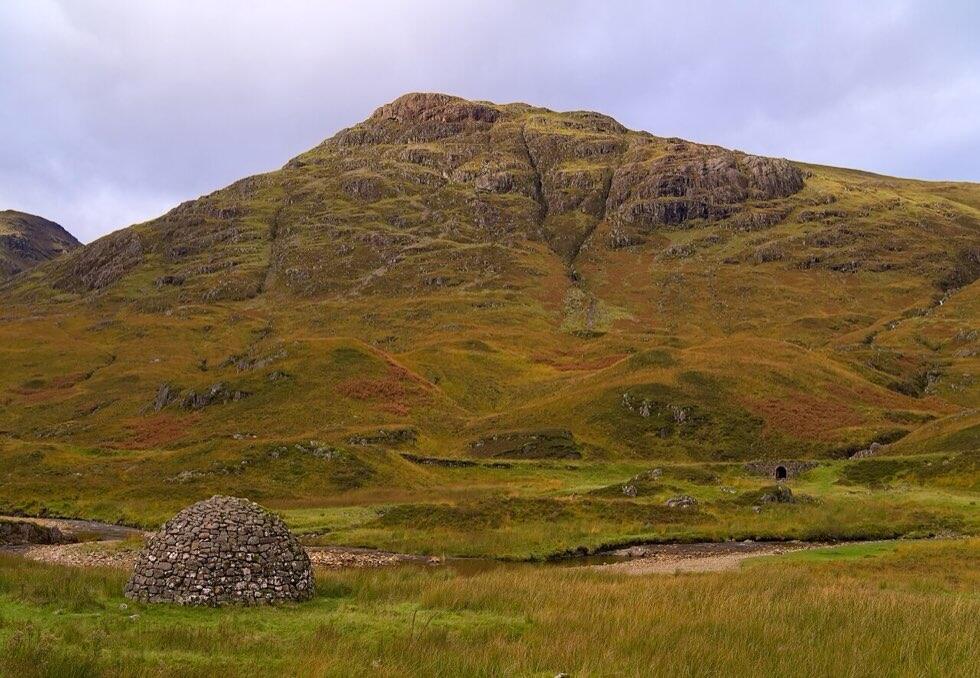

The common mistake is to try to see too much. Driving distances in the Highlands are long, the roads are often single track, and the weather slows everything down. Two or three bases for a week, rather than a new hotel every night, gives you time to enjoy what you came for.
Getting there and around
From London, trains reach Edinburgh in about four and a half hours on the East Coast Main Line, and Glasgow in a similar time on the West Coast Main Line. The Caledonian Sleeper runs overnight from London Euston to Edinburgh and Glasgow, with portions going on to Aberdeen, Inverness and Fort William. Edinburgh, Glasgow, Aberdeen and Inverness have airports with domestic and international flights.
Within Scotland, trains run from Glasgow to Oban, Fort William and Mallaig on the West Highland Line, one of the most scenic railway journeys in the world. The Highland Main Line goes from Perth to Inverness, and the line from Inverness to Kyle of Lochalsh crosses the country to the coast opposite Skye. Coaches fill in the gaps. Even so, much of the Highlands is easiest by car.
Ferries to the west coast islands are run mostly by Caledonian MacBrayne (CalMac), and to Orkney and Shetland by NorthLink. Book vehicle space well ahead in summer. Sailings can be cancelled in bad weather, so build in a spare day.
Regions at a glance
- Edinburgh: the capital, with the castle, the Old and New Towns and the August festivals. See the Edinburgh guide.
- Glasgow: Scotland's largest city, with Victorian architecture, free museums such as Kelvingrove, a strong music scene and the work of Charles Rennie Mackintosh.
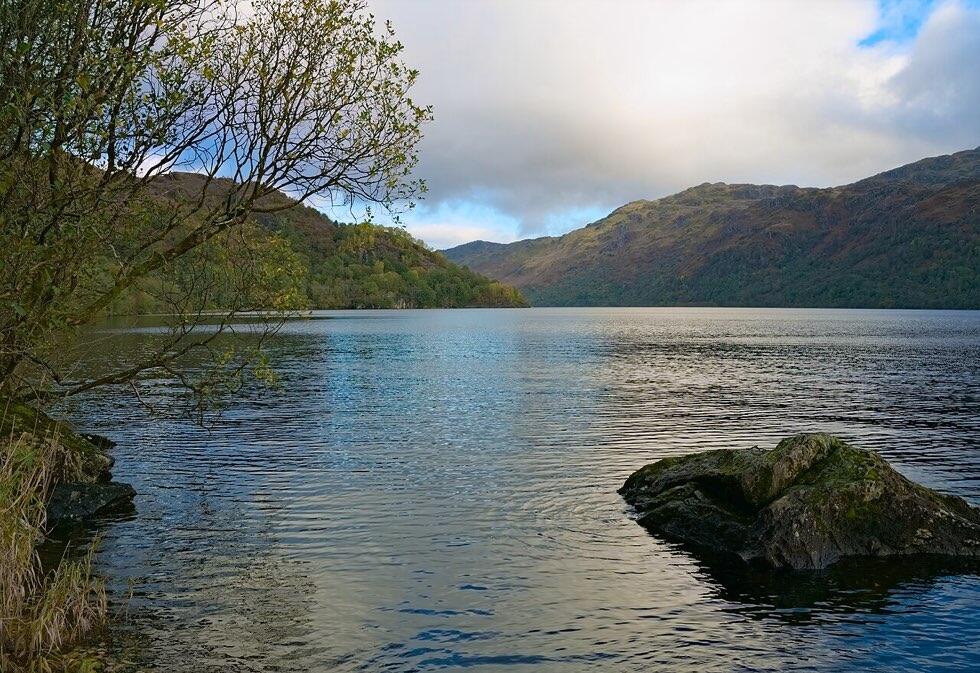
- Loch Lomond and the Trossachs: Scotland's first national park, under an hour from Glasgow, with lochs, wooded hills and walking.
- Stirling and Perthshire: Stirling Castle, the Wallace Monument, and big woodlands and rivers around Pitlochry and Dunkeld.
- Glen Coe and Fort William: a dramatic glen of steep mountains, and the town below Ben Nevis, the highest mountain in Britain at 1,345 metres.
- The Isle of Skye: the Cuillin mountains, the Quiraing, the Old Man of Storr and Portree harbour, reached by bridge at Kyle of Lochalsh or ferry from Mallaig.
- Inverness and Loch Ness: the Highland capital and the long loch south of it, with Urquhart Castle on its shore.
- The Cairngorms: Britain's largest national park, with mountains, forests and the resort town of Aviemore.
- The North Coast 500: a popular driving route round the far north, with spectacular coast and very busy roads in summer.
- The islands: Mull and Iona, the Outer Hebrides with their beaches, Arran in the Firth of Clyde, and Orkney and Shetland in the north.

Where to stay
Cities have the full range of hotels and apartments. In the Highlands and islands, typical options are B&Bs and guest houses, often family-run and excellent value, country house hotels, inns, self-catering cottages, hostels and campsites. Accommodation on popular islands such as Skye and Mull, and on the North Coast 500, books up months ahead for summer. Many rural places close for winter.
In remote areas, check where the nearest shop, petrol station and restaurant are before you book. Evening meals may be an hour's drive away if your accommodation does not serve them.
Driving in the Highlands
Many Highland roads are single track with passing places. Pull into a passing place on your left to let oncoming traffic pass, or wait opposite one on your right, and let faster vehicles overtake. Never park in a passing place. Sheep and deer wander onto the road. Fill up when you can: petrol stations are far apart in the north and west.
Outdoors and access
Scotland has some of the most generous access rights in Europe. Under the Scottish Outdoor Access Code, you can walk, cycle and wild camp responsibly on most land, as long as you respect the rules. Some areas, including parts of Loch Lomond, have seasonal camping management zones that require permits. Hillwalking needs proper equipment, a map and an eye on the forecast; conditions on the mountains can be wintry even in late spring.
Midges and weather
The Highland midge, a tiny biting insect, is at its worst on still, damp days from late May to September, particularly in the west. Bring a repellent and consider a head net for camping. Weather is changeable everywhere, and the west is wetter than the east. Long summer days, with light until late in the evening in June, make up for a lot.
When to go
May and June bring long days and fewer midges. July and August are busiest, with school holidays in Scotland starting earlier than in England, around late June. September and October are often settled and lovely, with autumn colour. Winter suits city breaks, Hogmanay, skiing in the Cairngorms and Northern Lights watching in the far north.
A sample ten days
Spend three nights in Edinburgh, then travel to Glen Coe via Loch Lomond for two nights. Continue to Skye for three nights, and finish with two nights in Inverness, near Loch Ness, before taking the train south. It is a lot of driving, but it gives a real taste of cities, mountains and islands.
Frequently asked questions
How long do I need for a trip to Scotland?
A week gives a good taste of one city and one Highland area, such as Edinburgh and Glen Coe, or Glasgow and Skye. Ten days to two weeks allow a wider loop including the islands. Distances are long and roads slow, so resist the temptation to see everything in one trip.
Do I need a car in Scotland?
In the cities, no. For the Highlands and islands, a car makes life much easier, though trains reach Fort William, Mallaig, Oban, Inverness and Kyle of Lochalsh, and buses and ferries connect many places. If you hire a car, practise single-track road etiquette and fill up whenever you see a petrol station in remote areas.
What are the midges and how do I avoid them?
Midges are tiny biting insects common in the Highlands and islands from late May to September, especially on still, damp days and around dawn and dusk. Wind keeps them away. Use a repellent, cover up in the evening, and consider a head net if camping. They are less of a problem on the east coast and in the cities.
Can I wild camp in Scotland?
Under the Scottish Outdoor Access Code, responsible wild camping is allowed on most unenclosed land. Camp in small numbers, for two or three nights at most in one place, away from buildings and roads, and leave no trace. Some areas, including parts of Loch Lomond and the Trossachs National Park, have seasonal camping management zones that require permits.
Guide me to UK is an independent information site. We do not own hotels or take bookings. Fares, opening hours and timetables change, so confirm them before you travel. Last updated 1 November 2026.