Home › Destinations › Devon
Devon
Devon is the only English county with two separate coastlines, and between them sits a moor. They are not interchangeable, and the first decision for a Devon holiday is which of the three you want. The south coast is the English Riviera and the estuaries: Torquay, Paignton and Brixham around Torbay, Teignmouth, Shaldon and Dawlish on the Teign and Exe, then Totnes, Dartmouth and Salcombe further west. The north coast faces the Atlantic: Ilfracombe, Woolacombe, Croyde and the surf beaches, with Exmoor rising behind Lynton and Lynmouth. Dartmoor, a granite national park of tors, ponies and villages, fills the middle. Exeter, the cathedral city, is the rail hub and a good place to start.

People underestimate the distances. A line across the county on the map can be an hour and a half of lanes, slower on a Saturday in August behind a tractor or a caravan. Staying on one coast for the week, and doing the other as a long day out, is the version of a Devon holiday that does not become a commute.
Getting there and around
From London Paddington, the fastest trains reach Exeter St Davids in a little over two hours, continuing to Newton Abbot and Plymouth. South Western Railway runs a slower line from London Waterloo to Exeter via Salisbury. From Exeter, four branch lines fan out: the Riviera Line along the sea wall through Dawlish and Teignmouth to Torquay and Paignton; the Avocet Line down the Exe estuary to Exmouth; the Tarka Line north to Barnstaple; and the reopened Dartmoor Line to Okehampton. Plymouth, in the south-west corner, has trains to Cornwall and ferries to Brittany and Spain.
By car, the M5 ends at Exeter. From there the A38 runs to Plymouth along the southern edge of Dartmoor, the A380 goes to Torbay, and the A30 heads west across the north of the moor towards Cornwall. North Devon is reached on the A361 North Devon Link Road from the M5 at Tiverton. The lanes off these roads are often single-track with passing places and high hedges. Reversing to a gateway is part of driving in Devon.
Buses connect the main towns well and many villages poorly. A rural cottage almost always means you will need a car, a bicycle, or patience.
The south coast
The south coast has red cliffs, palm trees, a milder climate and sheltered bay beaches. Torbay, made up of Torquay, Paignton and Brixham, is the busiest stretch, with hotels, harbours and family attractions. The Teign and Exe towns are smaller and quieter, linked by the railway that runs along the sea wall. Further west, the South Hams around Dartmouth, Salcombe and Kingsbridge is estuary and sailing country, with steep lanes and a high cottage price in summer. East Devon, from Exmouth to Sidmouth, Beer and Seaton, is part of the Jurassic Coast World Heritage Site, with pebble beaches and fossil-rich cliffs.

The north coast and Exmoor
North Devon is wind, surf and big beaches. Woolacombe, Croyde and Saunton have the sand; Ilfracombe has the harbour, the tunnel beaches and boats to Lundy Island in season. To the west, Clovelly is a car-free fishing village on a cobbled street that drops steeply to the harbour, with an entry charge to the privately owned village. Hartland Point has some of the wildest coast in England. To the east, Lynton and Lynmouth are linked by a water-powered cliff railway, and Exmoor's moorland and valleys reach the sea. The South West Coast Path runs the whole length of both coastlines.
Dartmoor
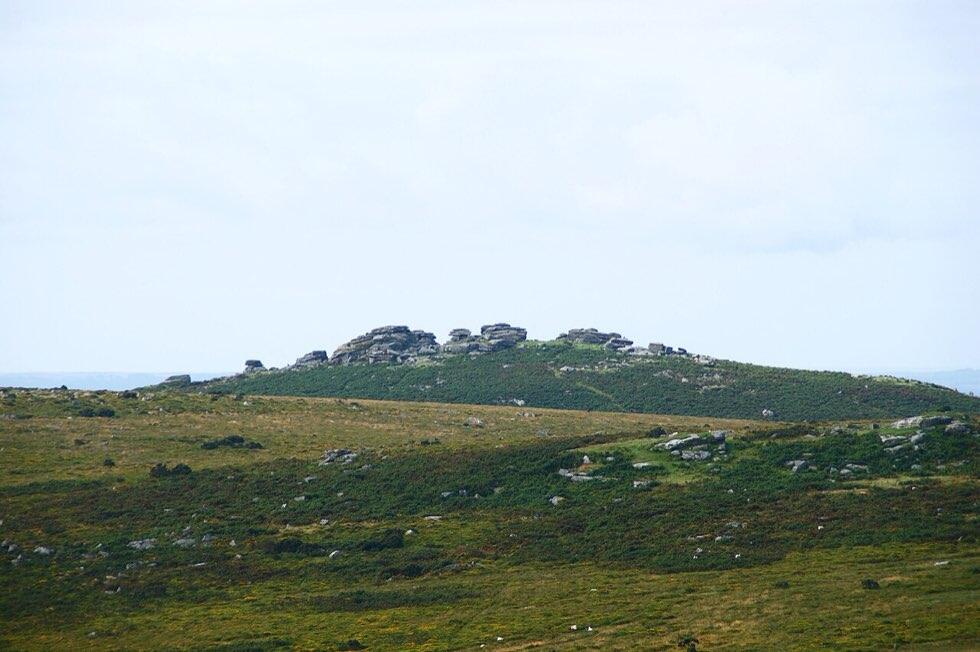
Dartmoor is a high, open granite plateau with tors on the skyline, wooded river valleys round the edges and villages such as Widecombe-in-the-Moor, Chagford and Lustleigh. It is wonderful walking country and an easy drive from Exeter or Torbay, but the weather can change fast and parts of the north moor are military firing ranges. Read the Dartmoor guide before you plan a walk.
Matching the room to the landscape
South Devon resorts have hotels, guest houses and holiday flats in town, so you can arrive by train and walk to dinner. North Devon is more cottages, pubs with rooms, campsites behind the dunes and holiday parks. A week in Croyde without a car works only if you are happy to stay on that beach. Dartmoor accommodation is village inns, farm stays, bunkhouses and a few country-house hotels. They make an excellent base for walking and a poor base for a spontaneous evening in Torquay.
Exeter is the sensible one-night stop if you are arriving by train and picking up a hire car, or if you want the cathedral and the quay rather than a beach. Plymouth is the equivalent in the south-west, with the Hoe and the Barbican.
When to go
The school summer holidays, roughly the last week of July to the start of September, bring the highest prices, the fullest car parks and the slowest roads. May, June and September are often the best months, with long days, warm seas by September and fewer crowds. Easter and the October half-term are busy for a week each. Winter is quiet and many seasonal cafés and attractions close, but coastal walks, pubs with fires and cheap cottages make it worthwhile for some.
Choosing a base: quick suggestions
- Car-free, with a beach: Dawlish, Teignmouth or Torquay, all on the Riviera Line.
- Surfing and big sand: Croyde or Woolacombe, with a car.
- Walking: a Dartmoor village, or a coast path town such as Lynton, Salcombe or Sidmouth.
- A city break with day trips: Exeter, with trains to the coast in every direction.
- A quiet estuary village: Shaldon, Topsham or one of the Dart villages.
Practical notes
- Many beach car parks are run by the National Trust or the local council and charge by the hour. National Trust members usually park free at Trust car parks.
- Lifeguards patrol the main beaches in summer. Swim between the red and yellow flags, and take rip current warnings seriously on the north coast.
- Cottages in Devon usually change over on Saturdays or Fridays in summer, with short breaks more common outside the holidays.
- A cream tea in Devon is served with the cream on first and the jam on top. In Cornwall it is the other way round. Nobody will refuse to serve you either way.
Frequently asked questions
Is it better to stay on the north or the south coast of Devon?
It depends on what you want. The south coast has more towns, train stations, sheltered beaches and a milder climate, which suits families, older travellers and anyone without a car. The north coast has bigger, wilder beaches, surf and dramatic cliffs, and suits surfers, walkers and families who want a week on the sand. If you can only choose one, decide whether you want towns and trains, or beaches and cliffs.
How long does it take to drive across Devon?
From Exeter to Barnstaple takes about an hour and a quarter by the main roads, and from Torquay to Croyde can take two hours. Through the lanes it is slower still. Summer weekends add significant delays, particularly on the A30, A38 and A361. Plan day trips across the county with plenty of time, or base yourself near the places you most want to see.
Can I see Devon by train?
More than most rural counties. The main line and its branches reach Exeter, the Riviera towns, Exmouth, Barnstaple, Okehampton, Plymouth and the edge of Dartmoor. Combined with buses and a few taxis, a car-free holiday works well if you stay in one of the railway towns. Heritage railways, such as the Dartmouth Steam Railway and the South Devon Railway, are an attraction in their own right.
What is the Jurassic Coast?
It is a World Heritage Site covering about ninety-five miles of coast from Exmouth in east Devon to Studland Bay in Dorset. Its cliffs expose rocks from the Triassic, Jurassic and Cretaceous periods, roughly 185 million years of earth history, and fossils wash out of them after storms. In Devon, the Jurassic Coast includes Sidmouth, Budleigh Salterton, Beer and Seaton.
Guide me to UK is an independent information site. We do not own hotels or take bookings. Fares, opening hours and timetables change, so confirm them before you travel. Last updated 1 November 2026.