Home › Destinations › Welwyn Garden City
Welwyn Garden City
Welwyn Garden City is a planned town in Hertfordshire, about twenty miles north of central London. It was founded in 1920 by Ebenezer Howard, the pioneer of the garden city movement, as his second garden city after Letchworth. The idea was to combine the advantages of town and country: homes with gardens, tree-lined streets, green belts, local industry and civic buildings, all designed together from the start. The architect Louis de Soissons drew up the master plan, and the town's neo-Georgian buildings, wide verges and formal avenues still follow it closely.
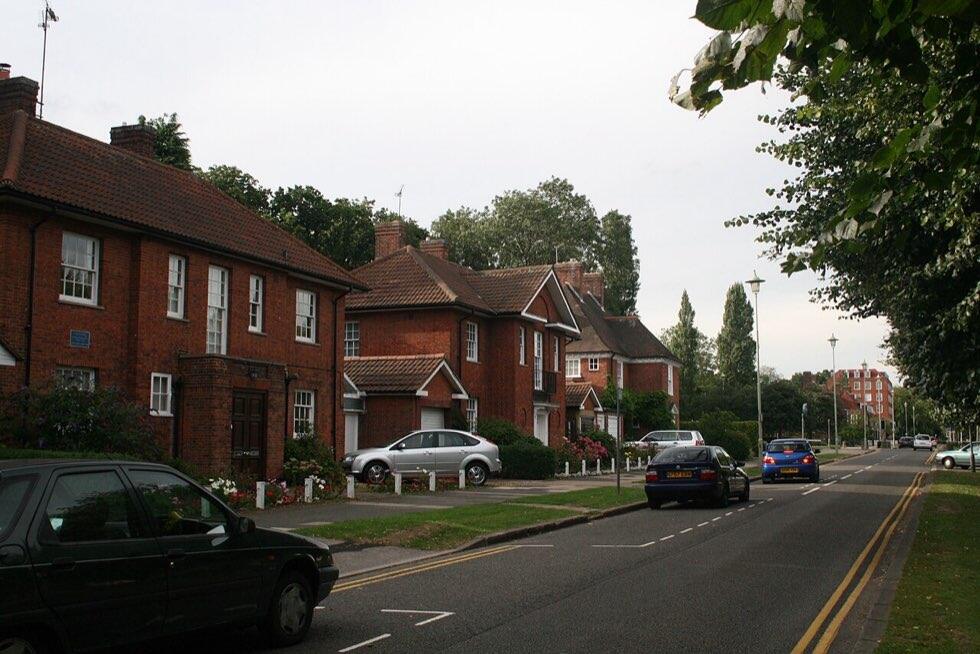

For visitors, it is a pleasant and practical base: quick trains to London, a quieter night than in the city, and good day trips to historic houses, St Albans and the Hertfordshire countryside. It also interests anyone curious about town planning.
Getting there
By train, Welwyn Garden City station is on the East Coast Main Line. Fast trains reach London King's Cross in around twenty-five minutes, and Thameslink trains run through central London to destinations south of the river. The station is built into the Howard Centre shopping centre, right in the middle of town. Trains north go to Stevenage, Hitchin and Cambridge. By road, the A1(M) runs along the eastern edge of the town, with junctions 4 and 6 serving it. The M25 is about ten minutes south. Luton and Stansted airports are both about half an hour away by car.
How the town is laid out
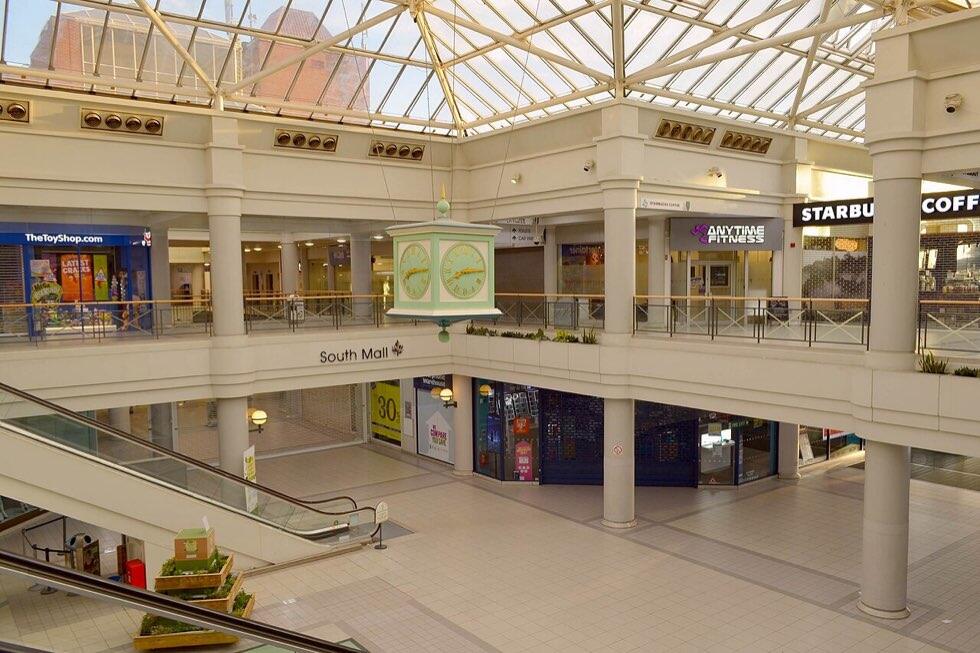
The heart of the town is Parkway, a long, formal green avenue running south from the town centre, lined with trees and with a large fountain and flower beds at the northern end. Around the top of Parkway is the Campus, a semicircle of grass and civic buildings. The town centre, with its shops, the Howard Centre and the department store, sits on either side of Howard Gate.
Housing areas fan out from the centre in neighbourhoods with closes, crescents and greens, divided by belts of woodland. The railway divided the original town between residential areas to the west and an industrial area to the east. Among the old factories is the former Shredded Wheat factory, a listed modernist building with tall silos that became a landmark from the railway and is being converted for new homes and workspace. Walking a loop of Parkway and the Campus, then out along one of the residential avenues, shows how the plan works in a short stroll.

Things to do in and around the town
- Stanborough Park: two lakes on the southern edge of town, one for sailing and watersports, one a nature reserve, with paths around them.
- Sherrardspark Wood: ancient woodland on the west side of town, with walking paths and bluebells in spring.
- Mill Green Museum: a working watermill and local history museum between Welwyn Garden City and Hatfield.
- Welwyn Roman Baths: the remains of a third-century bath house preserved in a vault under the A1(M), open on selected days.
- Hatfield House: one stop south by train, a great Jacobean house built in the early seventeenth century, with the Old Palace where the young Elizabeth I spent much of her childhood. The house and gardens open in the summer season.
- St Albans: a cathedral city about twenty minutes away, with the Roman remains of Verulamium, a market and old inns.
- Shaw's Corner: the home of George Bernard Shaw at Ayot St Lawrence, run by the National Trust, with his writing hut in the garden.
- Knebworth House: a stately home near Stevenage, known for its gardens and for hosting big outdoor concerts.
Where to stay
The town and the surrounding area have business and chain hotels, especially near the A1(M) and at Hatfield, a few country house hotels in the surrounding countryside, and pubs with rooms and B&Bs in the nearby villages such as Welwyn, Ayot St Lawrence and Codicote. Serviced apartments are also available in the town centre. It is often cheaper to stay here than in central London, and the train journey is shorter than many commutes within the capital.
Using it as a London base
If you plan to visit London for several days, staying in Welwyn Garden City can save money and give you quieter evenings. Check the time of the last fast train back from King's Cross, and remember that peak-time fares are higher than off-peak fares. For events at the big arenas and stadiums of north London, the journey can be very convenient.
A one-day plan
Start with a walk along Parkway and round the Campus, then walk or cycle to Stanborough Park. In the afternoon, take the train one stop to Hatfield House and its gardens, or drive to Shaw's Corner and on to St Albans for the cathedral and an evening meal.
Practical notes
- Hatfield House and Shaw's Corner open seasonally, usually from spring to autumn.
- The town has good cycle paths and green routes; a bike is a good way to see it.
- Other inland bases on the site: Hook and Towcester.
Frequently asked questions
How fast is the train from Welwyn Garden City to London?
Fast trains reach London King's Cross in about twenty-five minutes. Slower stopping services take longer. Thameslink trains run through central London. Check off-peak fares, which are often much cheaper than travelling at peak times.
What is a garden city?
Garden cities were an idea of Ebenezer Howard, who proposed planned towns combining the best of town and country, with homes in gardens, green belts, local jobs and community ownership of land. Letchworth was the first, begun in 1903. Welwyn Garden City followed in 1920. The ideas influenced new towns across Britain and abroad.
Is Hatfield House close to Welwyn Garden City?
Yes. Hatfield is one stop south by train, and Hatfield House is directly opposite Hatfield station. By car it is about ten minutes. The house and gardens open seasonally, generally from spring to autumn, and the Old Palace in the grounds is where Elizabeth I spent much of her childhood.
Guide me to UK is an independent information site. We do not own hotels or take bookings. Fares, opening hours and timetables change, so confirm them before you travel. Last updated 1 November 2026.