Home › Destinations › Shaldon
Shaldon
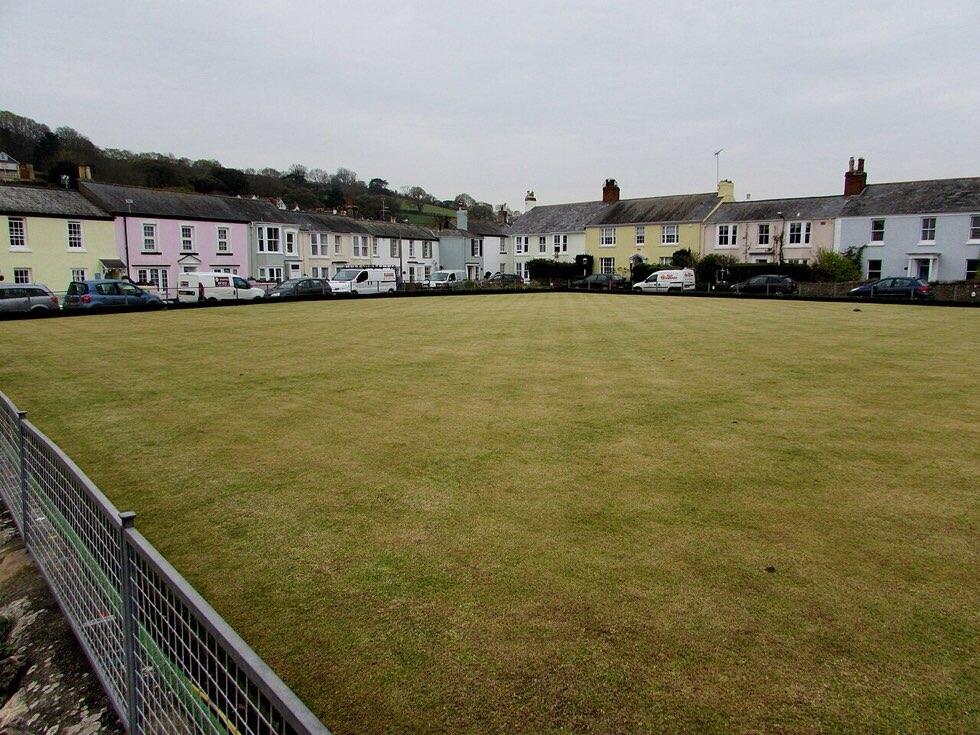
Shaldon is a village on the south bank of the Teign estuary, opposite Teignmouth. It is everything its larger neighbour is not: a small grid of Georgian and Regency houses, a village green with a bowling club, narrow lanes, flower boxes and a waterfront where people sit on the sea wall watching boats. Above it rises the Ness, a red sandstone headland topped with woodland. The two places are linked by a road bridge and, more pleasantly, by one of the oldest passenger ferries in England.
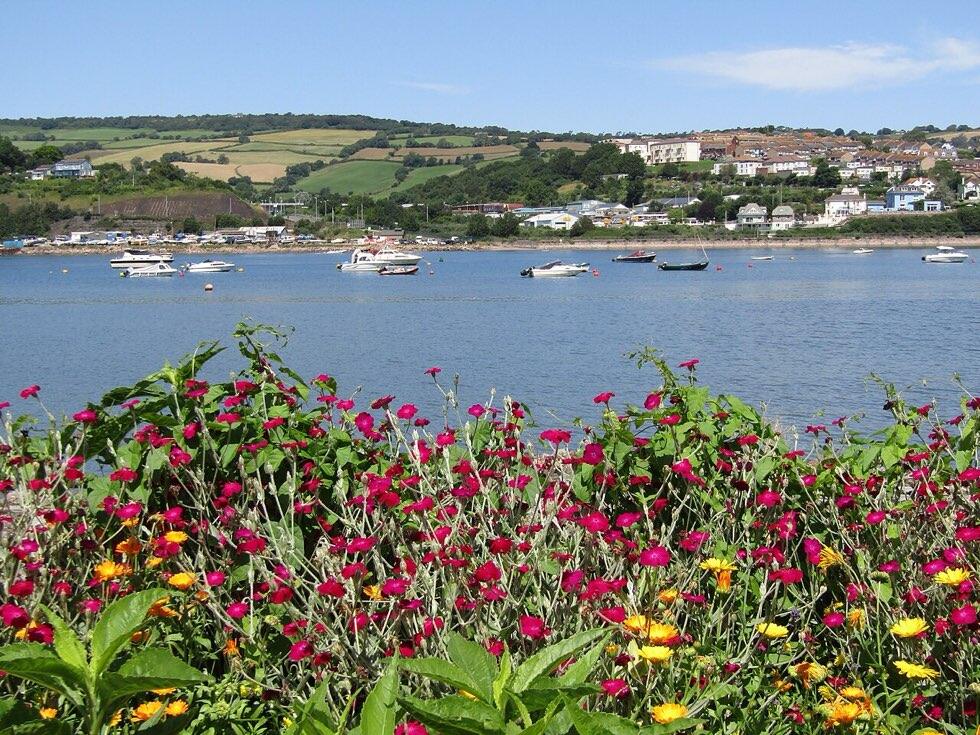

Shaldon suits a quiet stay for couples, families with young children who like crabbing and small beaches, and walkers heading for the coast path towards Torquay. It has a few pubs, cafés and shops, but for supermarkets, the station and a wider choice of restaurants you will cross to Teignmouth.
Getting there
The nearest station is Teignmouth, on the main line between Exeter and Newton Abbot. From the station it is a ten-minute walk to the Back Beach and a few minutes across on the ferry. By car, Shaldon is on the A379 between Teignmouth and Torquay; the Shaldon Bridge carries the road over the estuary. There are car parks in the village and on the Ness, but they fill in summer, and many cottages have no parking of their own. Buses run along the coast road towards Torquay and back over the bridge to Teignmouth.
The ferry
The Shaldon ferry crosses the mouth of the Teign between Shaldon beach and Teignmouth's Back Beach. A ferry has run on this crossing for many centuries, and the boats today carry black-and-white "gun port" markings. Crossings take a few minutes. The service runs most of the year in daylight, more often in summer, and stops in rough weather or at very low tide, when the beach landing changes. It is the best way to arrive and the best way to see the estuary.
The Ness and the smugglers' tunnel
The Ness is the headland at the mouth of the river, a local landmark visible from all over Teignmouth. A path climbs through woodland to viewpoints over the estuary and along the coast. At its foot, a tunnel cut through the rock in the nineteenth century, popularly called the smugglers' tunnel, leads to Ness Cove, a small sandy beach under the cliffs. The cove is cut off at high tide except through the tunnel, so watch the time if you walk round the rocks at low water.

In and around the village
- The village green and the Strand: the heart of Shaldon, with the bowling green, old houses and the riverside walk where boats are moored.
- Shaldon Wildlife Trust: a small zoo on the Ness focused on breeding rare small mammals, reptiles and birds, including several species of tamarin and lemur. It is compact and well suited to younger children.
- Homeyards Botanical Gardens: a peaceful hillside garden above the village with views over the estuary.
- Ringmore: the quieter upriver part of the parish, with a small church and old cottages along the shore.
- Crabbing off the sea wall and the beach is a summer ritual for children; bring a bucket and a line.
Walking the coast path south
From the Ness, the South West Coast Path heads south over red cliffs and through wooded valleys towards Maidencombe and Babbacombe. It is one of the more strenuous sections of the path on this coast, with steep climbs and descents, but the scenery is superb. Labrador Bay, about a mile and a half from Shaldon, is an RSPB reserve on farmland above the sea, managed for the rare cirl bunting. You can walk as far as you like and catch a bus back along the coast road. The full walk to Babbacombe is about six miles.
Where to stay
Accommodation in Shaldon is mainly self-catering: cottages and townhouses in the village, apartments with estuary views, and a few bed and breakfasts. There are holiday parks in the valleys just behind the village. Properties close to the water book up early for August. Because many cottages lack parking, ask before you book and expect to use a car park if you bring a car. Some visitors stay in Teignmouth, where there is more choice, and treat Shaldon as a ferry ride away.
When to go
Summer is the busiest season. Shaldon holds a regatta and a water carnival in August, and there are weekly events in the high season, so check what is on. Spring and autumn are the best times for walking the coast path and for the quieter feel the village is known for. In winter it is very peaceful, though some cafés reduce their hours and the ferry runs a shorter timetable.
A day in Shaldon
Start in Teignmouth and take the ferry across in the morning. Walk along the Strand and the green, then climb the Ness and go down through the tunnel to Ness Cove if the tide allows. After lunch in the village, visit the Wildlife Trust or walk south along the coast path to Labrador Bay for the view, and return for an evening drink by the water before the last ferry.
Practical notes
- The river mouth has strong currents and shifting sandbanks. Swim only on the beaches away from the channel.
- Check the last ferry time if you are crossing back to Teignmouth in the evening; the bridge is a longer walk round.
- For more of this coast, see Dawlish, Torquay and the Devon overview.
Frequently asked questions
Is Shaldon suitable for families?
Yes, especially families with young children. The beach by the ferry and the sheltered Ness Cove are good for paddling and rockpools, crabbing off the sea wall is a favourite pastime, and the Wildlife Trust is a manageable size. The village is safe and walkable. Older teenagers may find it quiet, but Teignmouth's seafront and pier are a short ferry ride away.
Can I get to Ness Cove at any time?
The usual route is through the smugglers' tunnel from the Ness car park area, which can be used at any state of the tide. Walking round the rocks from Shaldon beach is possible only at low tide and can leave you cut off as the water rises. Check tide times and stick to the tunnel if in doubt. The cove is small and gets busy in summer.
Where do I park in Shaldon?
There are public car parks on the Ness and in the village, and some on-street parking with restrictions. They fill quickly on sunny summer days. Many cottages in the village have no parking at all, so check before booking. An alternative is to park in Teignmouth, where long-stay car parks are larger, and cross on the ferry.
How hard is the coast path south of Shaldon?
It is one of the more demanding stretches in south Devon. The path climbs and drops repeatedly through valleys and over red cliffs on the way to Maidencombe and Babbacombe. It is well marked and very scenic, but it is hard work in places, especially when muddy. Fit walkers can do the six miles to Babbacombe in about three hours. Buses back run along the coast road.
Guide me to UK is an independent information site. We do not own hotels or take bookings. Fares, opening hours and timetables change, so confirm them before you travel. Last updated 1 November 2026.