Home › Destinations › Inverness and Loch Ness
Inverness and Loch Ness
Inverness sits where the River Ness flows into the Moray Firth, and is generally treated as the capital of the Highlands, even though it is a modest-sized city rather than a large one. A castle, now used as a sheriff court rather than open throughout for visits, stands above the river, and a line of Victorian suspension footbridges crosses the water through the centre. A few miles south-west, the city gives onto Loch Ness, the long, deep and famously mysterious loch that draws more visitors than almost anywhere else in Scotland.
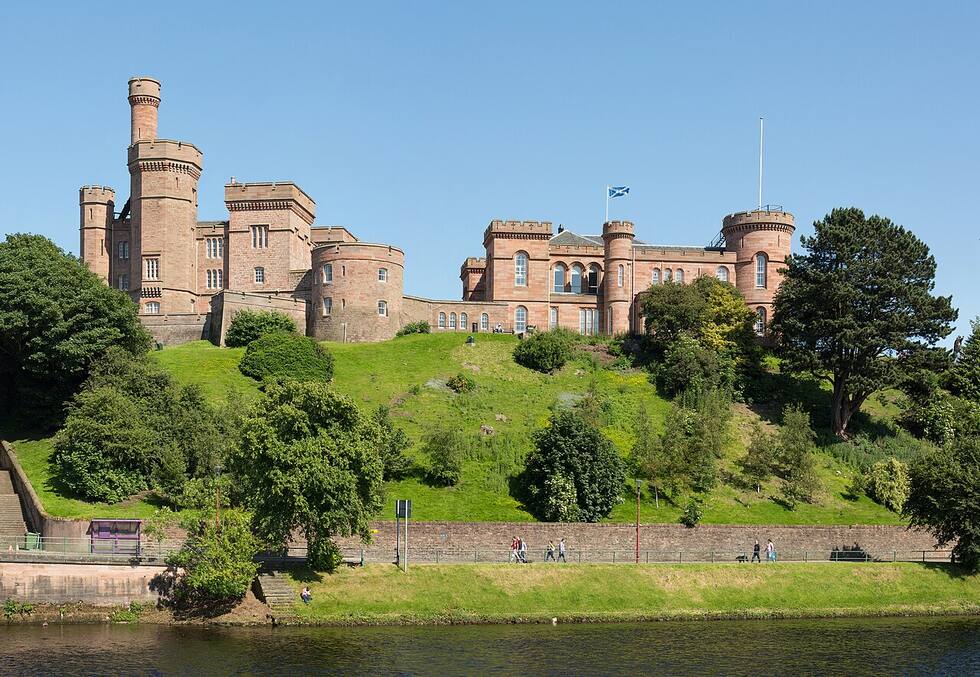

Inverness suits travellers who want a comfortable city base with direct trains and flights, from which to explore Loch Ness, the Isle of Skye and the wider Highlands without constant repacking. Loch Ness itself is usually seen as a half-day or full-day trip from the city rather than a place to stay for its own sake, though a handful of good bases sit on its shores.
Getting there
Inverness has two scenic rail lines converging on it: one from Edinburgh and Perth over the Cairngorms, and the spectacular Kyle Line from Kyle of Lochalsh in the west, opposite Skye. From London, the Caledonian Sleeper runs overnight direct to Inverness. Inverness Airport, a few miles east of the city, has flights from London and other UK cities. By road, the A9 runs north from Perth and Stirling, and the A82 runs south-west down the Great Glen towards Fort William, passing the full length of Loch Ness on the way.
Inverness: what to see
- The riverside. A pleasant walk follows the River Ness past Inverness Cathedral and a series of elegant Victorian footbridges, including the Greig Street suspension bridge, to the wooded Ness Islands, linked by further small bridges.
- Inverness Castle. The current pink sandstone building dates from the 1830s; after long use as a court, parts have been redeveloped as a visitor attraction telling the story of the surrounding region. Check current opening arrangements before visiting.
- Victorian Market. A covered Victorian arcade of small independent shops in the city centre, a good wet-weather browse.
- Culloden Battlefield. A few miles east of the city, the site of the last major battle fought on British soil, in 1746, between Jacobite and government forces. The visitor centre explains the battle in detail and the moor itself is open to walk across.
- Clava Cairns. Bronze Age burial cairns and standing stones near Culloden, atmospheric and usually much quieter than the battlefield.

Loch Ness
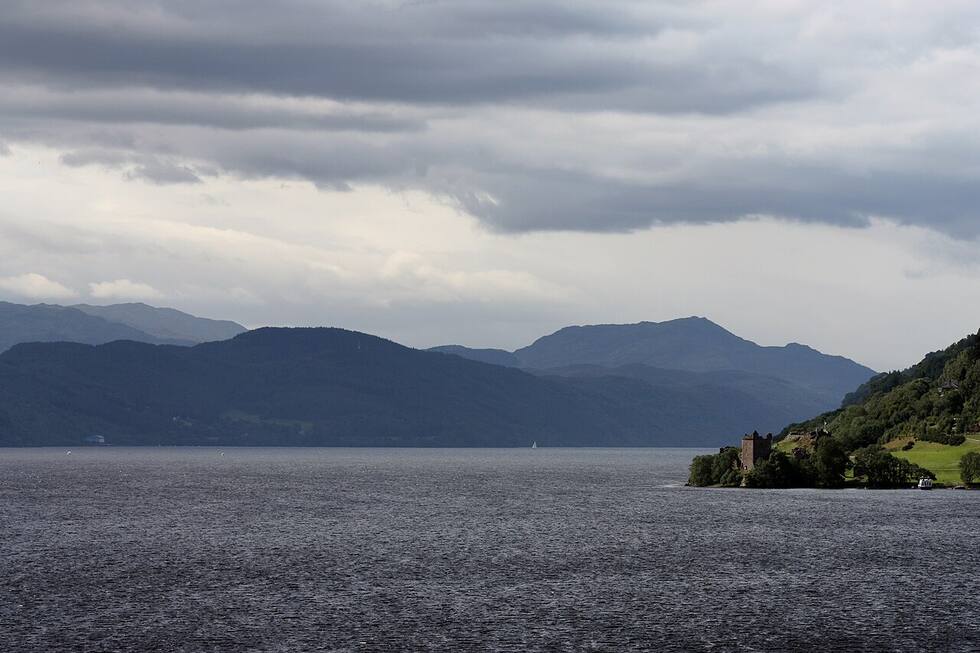
Loch Ness runs for about twenty-three miles along the Great Glen, a geological fault line that splits the Highlands diagonally, and it is immensely deep, holding more fresh water than every lake in England and Wales combined. It owes its modern fame to a supposed monster, nicknamed Nessie, first widely reported in the 1930s; no scientific survey has ever found evidence for one, but the legend remains a major draw.
The main visitor focus is Urquhart Castle, a ruined medieval fortress on the northern shore with one of the best views along the loch, run by Historic Environment Scotland with a visitor centre explaining its long and violent history. Boat trips run from the jetty below the castle and from Inverness, several including sonar scanning for the monster as part of the commentary. The village of Drumnadrochit, just above the castle, has the long-running Loch Ness Centre exhibition examining the evidence and the legend's history.
At the southern end of the loch, Fort Augustus sits where the Caledonian Canal's staircase of locks lowers boats down to the water, a good spot to watch boats working through. The road along the northern shore, the A82, is the busier and more direct route; the minor road on the southern shore is quieter and gives different views back across the water.
Further into the Highlands
Inverness is a natural hub for exploring further. The Cairngorms National Park lies south-east, reached via Aviemore. The north coast and the North Coast 500 driving route begin here too, running up through Dornoch and round the far north. West, the road to Skye passes Eilean Donan Castle, one of the most photographed castles in Scotland, near Kyle of Lochalsh.
Where to stay
Inverness has the widest range of hotels, guest houses and self-catering, close to the station, the airport bus and the main shops, and it is the practical choice for most visitors. Around Loch Ness, Drumnadrochit and Fort Augustus have inns, guest houses and a few larger hotels, useful if you want to linger on the loch itself rather than return to the city each evening. Rooms around Loch Ness can be scarce in July and August, when coach tours and day-trippers fill the villages.
When to go
May, June and September tend to bring the most settled weather and fewer midges than high summer. July and August are busiest, particularly at Urquhart Castle and on boat trips, and prices rise accordingly. Winter is quiet, with short days and the chance of snow on higher ground inland, but Inverness itself stays open and makes a calm base for a short Highland break.
A two-day plan
Day one: walk the River Ness and the Ness Islands, visit the Victorian Market, and spend the afternoon at Culloden and Clava Cairns. Day two: drive or take a tour down the A82 to Urquhart Castle, continue to Fort Augustus to see the canal locks, and return along the quieter southern shore road.
Frequently asked questions
Can I visit Loch Ness as a day trip from Inverness?
Yes, easily. Urquhart Castle and the main visitor areas on the loch's northern shore are about twenty minutes from Inverness by car, and tour buses and boat trips run from the city throughout the day in season.
Will I see the Loch Ness Monster?
Almost certainly not, in the sense of proof — no scientific evidence has ever confirmed one exists. What you will see is one of the most atmospheric lochs in Scotland, over twenty miles long and extremely deep, with Urquhart Castle on its shore. The legend is part of the fun, not a reason to expect a sighting.
Is Inverness a good base for the Scottish Highlands?
Yes, it is often called the capital of the Highlands and has the region's main airport, a station on two scenic rail lines, and roads fanning out towards Loch Ness, the north coast and Skye. It suits anyone building a wider Highlands trip around a single comfortable base.
How long does it take to drive around Loch Ness?
A full circuit of both shores is around thirty-five miles and takes roughly an hour and a half without stops, longer with visits to Urquhart Castle, Fort Augustus and the viewpoints. Most visitors drive only the busier northern shore and return the same way.
Guide me to UK is an independent information site. We do not own hotels or take bookings. Fares, opening hours and timetables change, so confirm them before you travel. Last updated 19 November 2026.